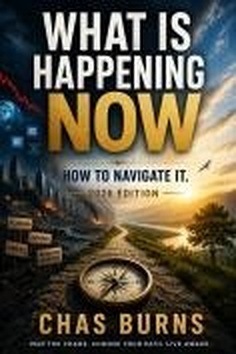
What the first edition does
The 2026 Almanac connects big changes to ordinary decisions. What happens to work if automation accelerates? What does the cost of housing do to independence and family formation? Which qualifications still carry value? What happens to trust when synthetic media becomes normal? What pressures are changing dating, friendship, health and social life?
The aim is not to tell the reader what to think. It is to reduce confusion: show the evidence, explain the competing forces and make the consequences easier to see.
Why a baseline matters
Fast change creates a memory problem. Something that feels extraordinary one year can feel normal the next. By recording the starting point, the Almanac gives future editions something solid to compare against and gives the reader a clearer sense of direction.
Where are we?
That is the governing question of the 2026 edition. The 2027 edition then asks whether the same map still holds when viewed through other major social, economic and institutional systems.
How A.I. is used
A.I. is used as a research and navigation instrument: helping to interrogate large amounts of material, compare evidence, expose contradictions and follow developments across connected subjects. It does not replace source checking or editorial judgement. The purpose of the technology is to help the reader understand the world, not to turn the book into another account of the technology itself.